



The legislation could also introduce civil liabilities against those involved with helping someone access abortion medication
By: Anna Spoerre
Missouri Independent
The first bill to clear the Missouri House this year would open the door for health care providers to face the death penalty if they don’t provide life-saving care to a baby born after an attempted abortion.
The legislation could also allow lawsuits against anyone assisting with illegal medication abortions.
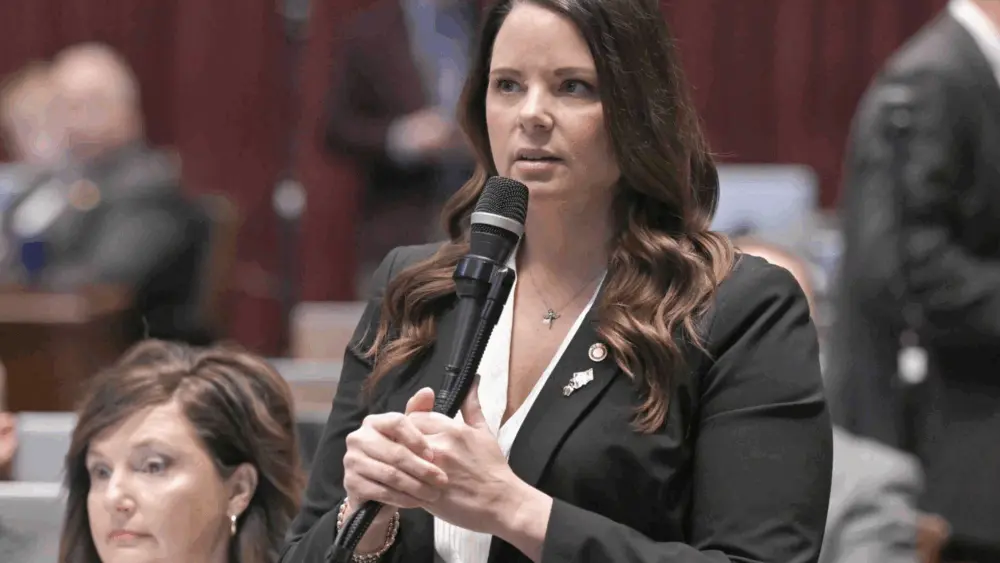
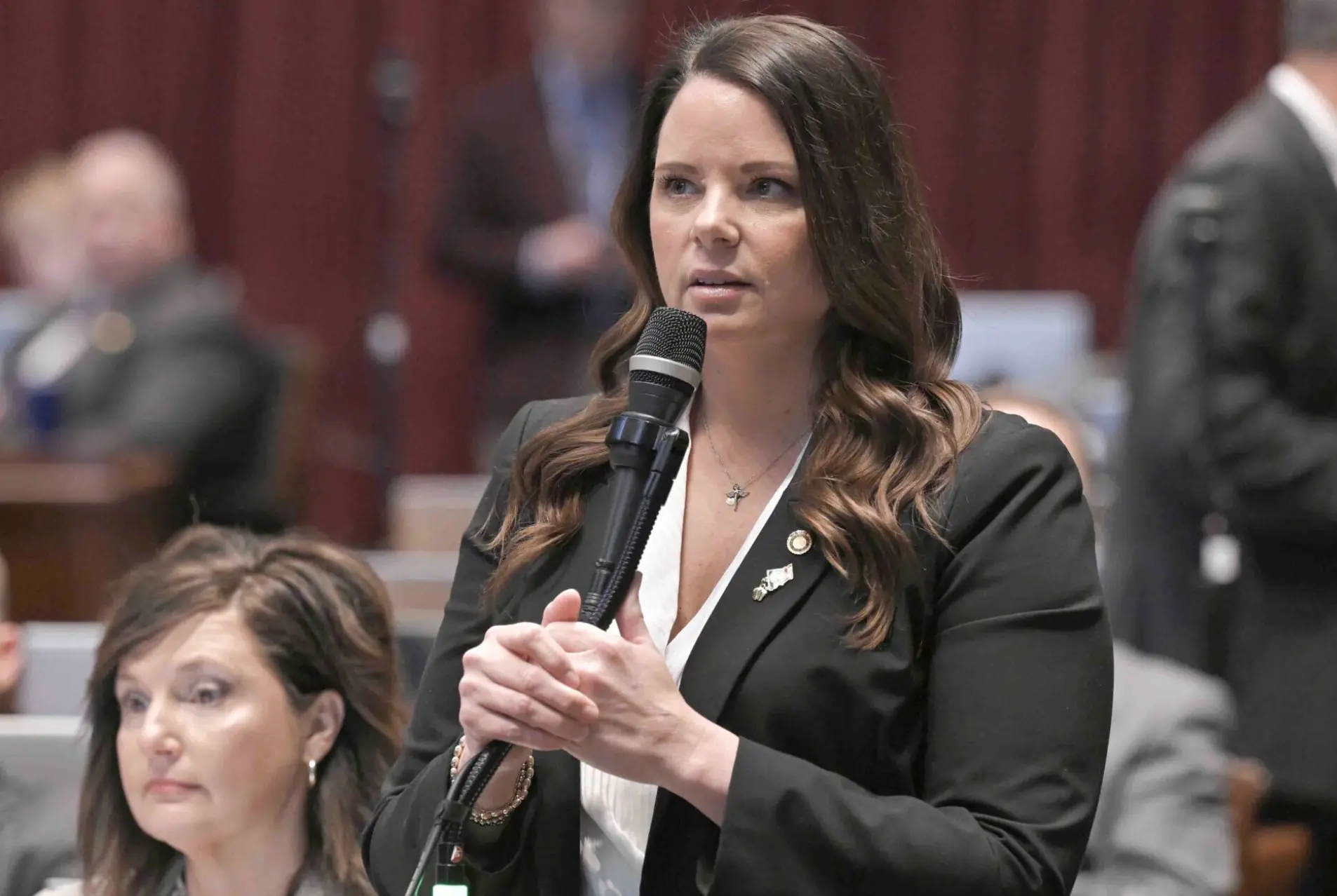
“A baby that makes it out of an abortive attempt gets every life-saving measure given to a child born at the same gestational period to a mother that wanted that baby,” state Rep. Holly Jones, a Eureka Republican, told her colleagues Thursday. “Intent means nothing when the child is outside the womb.”
The “Born-Alive Abortion Survivors Protection Act,” sponsored by Jones and GOP state Rep. Brian Seitz of Branson, has been framed by Republicans as a common-sense safeguard that must be considered with urgency following the legalization of abortion by Missouri voters in 2024.
There’s been no disagreement that a baby born in the exceedingly rare case of a failed abortion should be given all necessary care and treatment. Instead, Democrats on Thursday accused their counterparts across the aisle of trying to score political points in an election year, pointing at laws already prohibiting infanticide.
“The first bill out of this chamber is the born alive abortion act? What are we doing?” House Minority Leader, Ashley Aune, a Democrat from Kansas City, told her colleagues Thursday morning. “Missourians across the state are telling us that they can’t afford groceries, they’re telling us that the federal government is threatening their communities, they’re being threatened themselves by gun violence and lack of access to health care.”
The bill would require any health care providers present at the time of an unsuccessful abortion to “exercise the same degree of professional skill, care and diligence to preserve the life and health of the child” and require the child be immediately transported and admitted to a hospital.
State law, and licensing requirements already require that any child who is born be cared for, said state Rep. LaKeySha Bosley, a St. Louis Democrat. Why are they not instead, she asked, prioritizing legislation to improve maternity deserts and infant and maternal health outcomes in the state?
Critics have also raised concerns about how such a bill could affect families who choose to induce early labor following a fatal fetal diagnosis — a procedure which falls under the definition of abortion in the medical field — and the providers caring for them.
“It doesn’t matter how this bill defines abortion or miscarriage or pregnancy or anything,” Maggie Olivia, director of policy and external affairs at Abortion Action Missouri, testified last month during a committee hearing. “Because when legal definitions don’t align with medical definitions, patients fall through the cracks, get denied care and experience really adverse outcomes.”
The bill sponsors have said palliative care wouldn’t be affected.
At the federal level, the Born-Alive Infants Protection Act of 2002 grants personhood to any child born after an unsuccessful abortion. But Missouri Republicans have argued that protection doesn’t go far enough.
The Missouri bill goes beyond just abortions performed after fetal viability. It could also open the door for civil liabilities for those involved in “self-induced abortions,” raising questions about potential implications on medication abortions, especially if Missourians vote to reinstate an abortion ban later this year.
The bill inserts a civil liability for anyone who “knowingly, recklessly, or negligently supplies or makes available any instrument, device, medicine, drug or any other means or substance for another person to undergo a self-induced abortion or attempted self-induced abortion or to procure an unlawful abortion or attempted unlawful abortion.”
While abortion up until fetal viability is legal in Missouri under the voter-approved reproductive rights amendment, Missourians will vote on abortion again in November after Republican lawmakers put forward a new measure seeking to ban abortion with limited exceptions for medical emergencies and survivors of rape and incest.
Asked Thursday morning if the legislation, if implemented under an abortion ban, would apply to an out-of-state provider who prescribes medication abortion to a Missouri woman who then completes the abortion, for example, Seitz told The Independent: “that’s going to be something for the courts to decide.”
“This is still being litigated,” he said. “There’s no absolute clarity.”
State Rep. Ken Jamison, a Democrat from Gladstone, raised concerns during last month’s House Children and Families Committee that the bill uses a civil negligence standard to charge someone for murder, which requires intent.
“Any person, including a CVS employee at the register, some store clerk selling you your medication prescription that is deemed legal, under your currently-written statute would be held civilly liable,” Jamison, who is an attorney, told the committee.
Jones said she would be “happy to tighten up that definition.”
“The reason for this language is because it could be a friend that offers you something that wasn’t prescribed to you or gives you some sort of an instrument or assists in those ways, so we had to include something to kind of cover those instances, God forbid,” Jones responded.
Seitz previously said the bill could be used to bring a lawsuit against a friend or neighbor, for example, who helps someone obtain a medication abortion, including during the first trimester of a pregnancy before the pregnancy is viable and in cases where the abortion is successful.
None of Jamison’s suggestions were included in the bill before it was passed out of the House Thursday.
Seitz on said the House sees things “in more black and white terms, where the Senate would be involved in the nuances,” anticipating they may work out any legal questions.
This same bill was also the first to clear either legislative chamber in Missouri last year, when four Democrats joined Republicans in support. The bill never made it to the full Senate for a final vote.
On Thursday, no Democrats voted in support of the legislation. None of the four Democrats who voted in support last year voted in favor again.
“God is watching,” Seitz told the chamber before taking the final vote.