



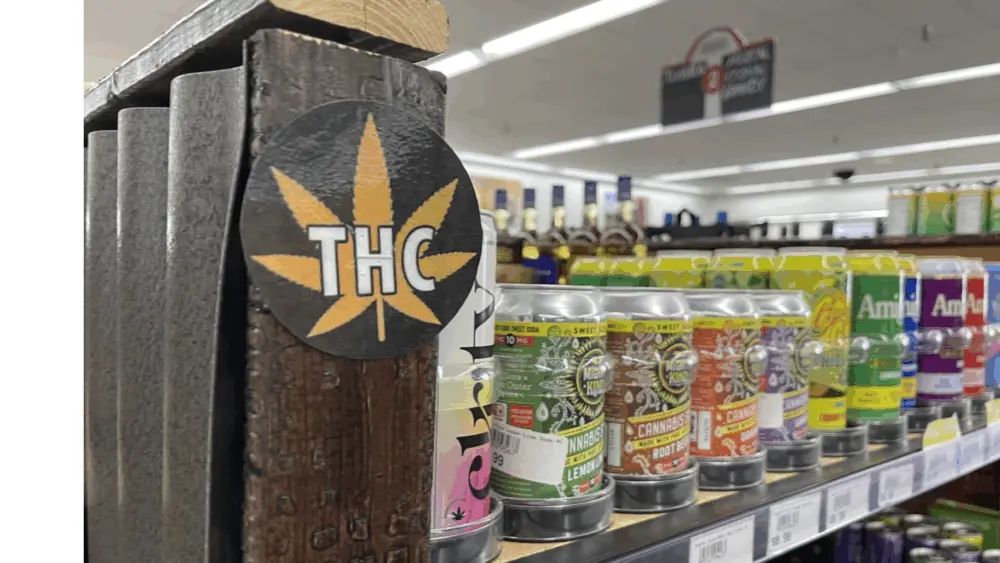
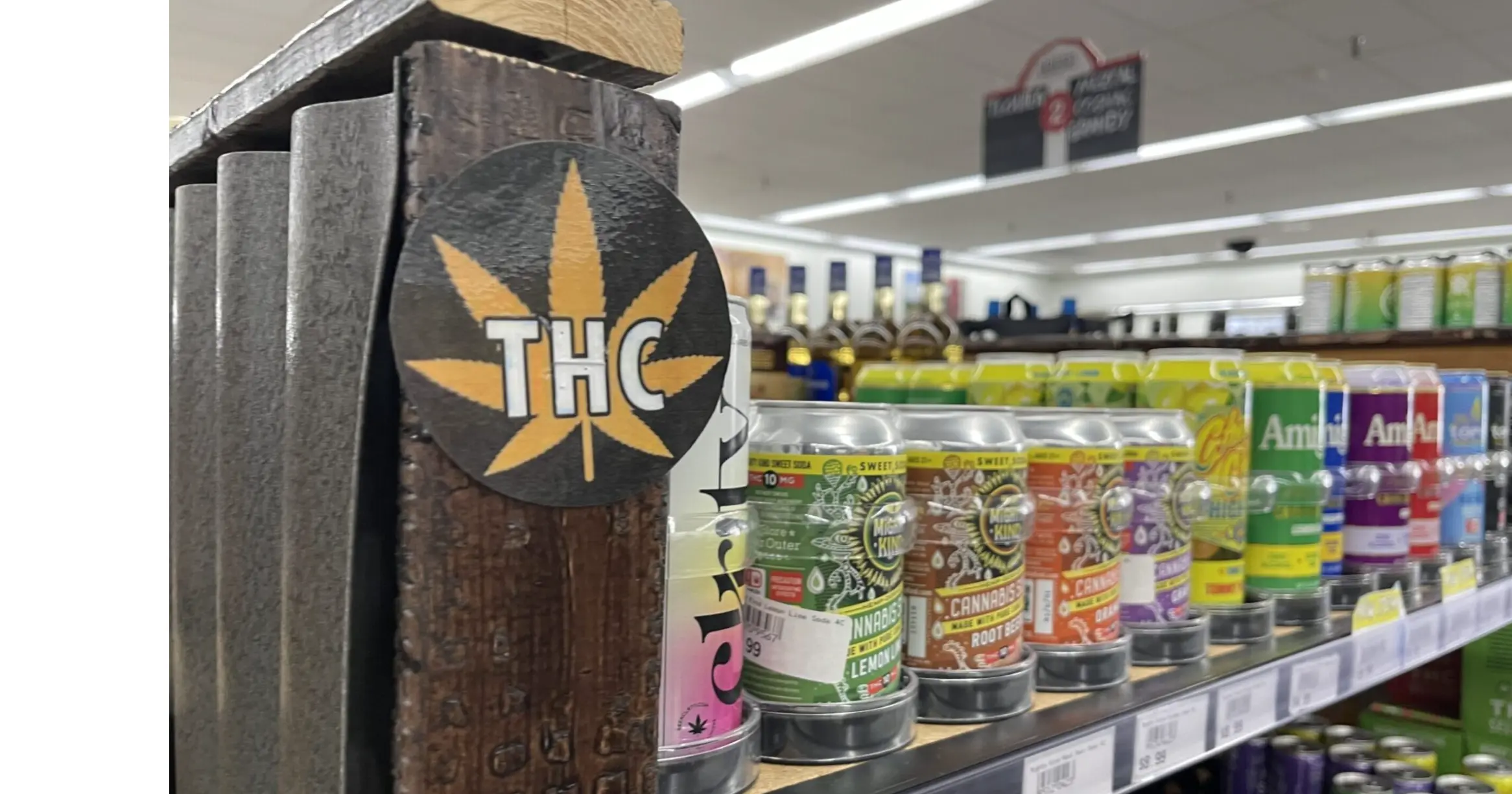
Missouri lawmakers are debating the future of hemp-derived THC beverages, which are already sold in bars, liquor stores and convenience shops across the state
BY: REBECCA RIVAS
Missouri Independent
People who drink cannabis beverages – that often come in cans, like beer or hard seltzers – may be consuming less alcohol, according to a recent study from University of Buffalo.
More than 60% of the study’s participants who drank cannabis beverages said they had either reduced (61.5%) or stopped (1.1%) drinking alcohol as a result.
“We believe this may be because of the similarity in administration method and context of use — people at parties or bars will likely have a drink in their hand, in this case a cannabis beverage rather than an alcoholic one,” said Daniel Kruger, a co-author and research associate professor in University of Buffalo’s School of Public Health and Health Professions.
Kruger said the study, which was published in the Journal of Psychoactive Drugs last month, is the first of its kind to focus on cannabis beverages and the potential for alcohol harm reduction.
And it comes as Missouri lawmakers debate the future of hemp-derived THC beverages, which are already sold in bars, liquor stores and convenience shops across the state but sit in a legal gray area, with proposals to rein them in or ban them altogether still unresolved.
“Several previous studies, including ours, have demonstrated that people have reduced their alcohol consumption by switching to cannabis,” he said.
Sales of these beverages are estimated to be about $1 billion nationwide – with 76% of that being hemp-derived THC beverages and 24% being products sold in marijuana dispensaries, according to a report from Whitney Economics last year.
About half of Kruger’s study participants were from New York, where intoxicating hemp beverages are prohibited — unlike in Missouri where people can order them in bars and restaurants.
More than 80% of the survey respondents who used cannabis beverages said they were more likely to buy their cannabis products from marijuana dispensaries.
Kruger acknowledged the results would likely be different among participants that live in states that haven’t banned intoxicating hemp beverages.
“In Missouri, we might even see a greater effect there than we did in New York,” he said.
Based on the survey results, the research team plans to further explore the effect of cannabis drinks over time and compare modes of cannabis consumption.
“Cannabis has been proposed as harm reduction for other drugs such as opioids but not talked about as often for legal substances such as alcohol,” said study first author Jessica Kruger, a clinical associate professor of community health and health behavior in UB’s School of Public Health and Health Professions.
Missouri lawmakers are debating legislation that would align the state with the federal limits on intoxicating hemp products set to go into effect in November.
The federal limit will prohibit hemp products from containing more than 0.4 milligrams of THC per container, a provision that was included in the federal spending bill Congress approved last year.
This would place a national ban on intoxicating hemp beverages, which typically contain 10 milligrams of THC or below. It wouldn’t impact marijuana-derived THC beverages sold in dispensaries.
Missouri officials estimated in 2024 that 40,000 food establishments and smoke shops and 1,800 food manufacturers were selling products that would be banned under the proposed federal regulations.
Missouri senators debated a bill this week to allow the continued sale of THC cannabis beverages, if Congress passes legislation allowing them. They are currently unregulated by any government agency in Missouri, and the bill aims to establish testing, labeling and licensing requirements.
“What we’re trying to do here is really tighten it up,” said Republican state Sen. Mike Henderson of Desloge, during a committee hearing Tuesday. “You got to be 21, and you got to be 21 to serve them.”
Henderson also said he wants to make sure companies aren’t advertising to children.
“We’ve got to stop that practice, where it looks like it’s some kind of candy or some kind of drink that would appeal to kids,” he said, “and we can’t have it being done that way.”