




BY: RUDI KELLER
Missouri Independent
Companies profiting from unregulated convenience store slot machines would have two years to pull their games off the market under a bill advanced Monday in a Missouri House committee.
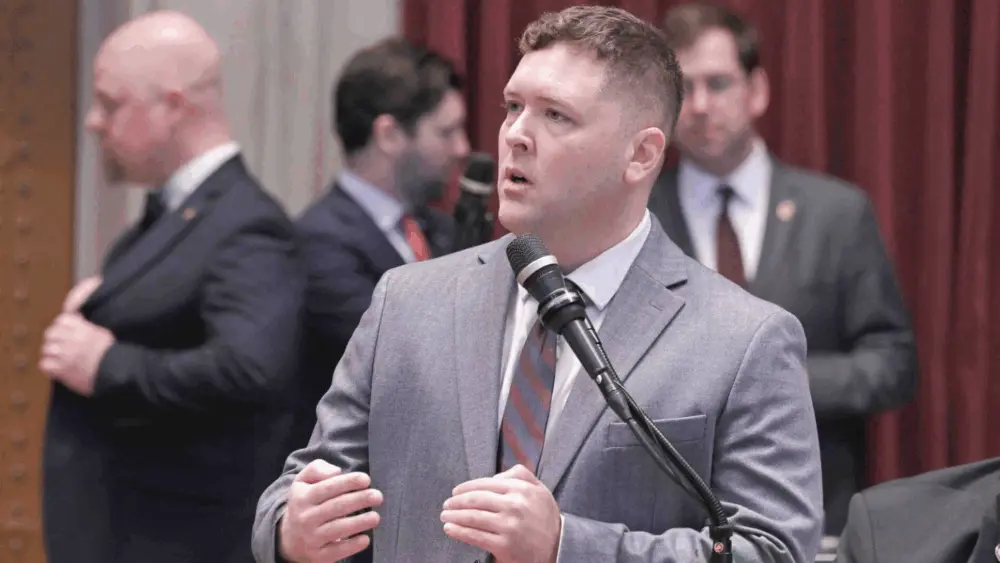
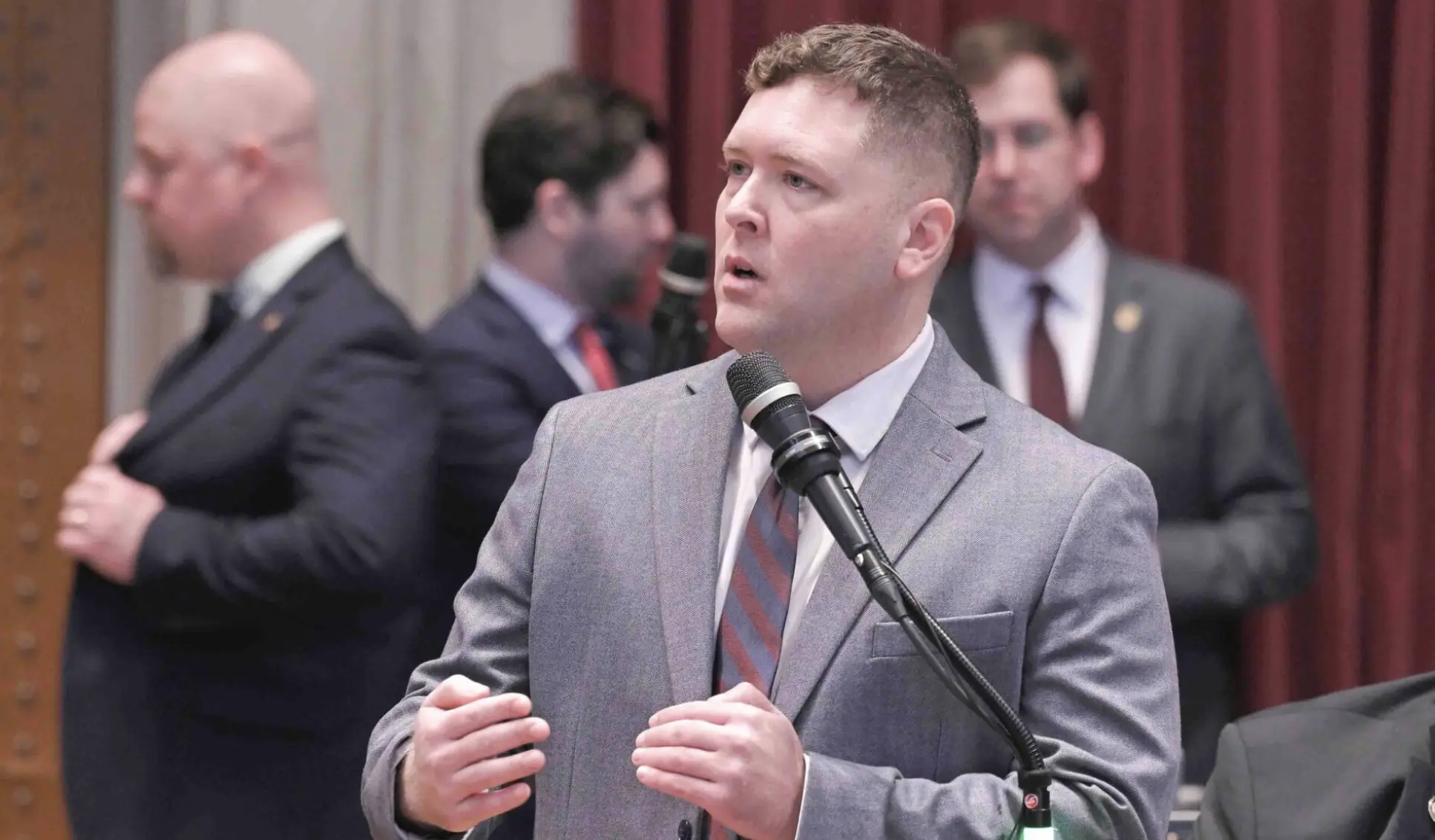
The bill — the latest in a years-long effort by law enforcement and legislators to rein in the games — would create a state-run video lottery system to replace the current games. The two-year changeover is double the time allowed in the bill as it was introduced by Rep. Bill Hardwick, a Republican from Dixon.
The original bill, Hardwick said, “may have been too aggressive in terms of getting purchase contracts and to propagate rules. So it seems like for now, we’re going to try a two-year transition period.”
Hardwick said he’s confident the bill will find support in the Missouri House. The committee’s 8-5 vote, however, with three Republicans joining two Democrats in opposition, shows support is shaky.
A similar bill passed the House last year with just one vote more than the 82 needed. It died in the Senate.
Under Hardwick’s revised bill, the Missouri Lottery would have authority to license video games for installation in retail locations across the state. The licensed machines would have to pay out at least 80% of the money wagered as prizes and about one-third of the profits would be dedicated to state education programs.
The bill would also impose a 3% tax on video lottery profits to aid local governments and would increase the fee casinos pay for each patron who enters the gaming floor from $2 to $4.
At a public hearing on Jan. 27, Hardwick and other supporters said the new games would generate up to $600 million annually for education. The increased casino boarding fee and other licensing fees would generate up to $55 million for state veterans programs.
If those estimates are correct, video lottery would be the most lucrative games yet for vendors and the state treasury.
The most recent expansion of gambling in Missouri, sports wagering, was approved by voters in November 2024. In December, the first month of operation, gamblers wagered $543 million, won $437.7 million back and the state tax on profits generated $521,000.
For the entire fiscal year that ended June 30, gambling generated about $700 million for education programs, with $364 million from casino taxes and $337 million from the lottery.
The games currently available in convenience stores and other retail locations are called “no-chance games” because they have a function that allows a gambler to know the outcome of the next play before making a bet.
The games have thrived in large part due to the lobbying efforts of Torch Electronics, the largest vendor in the market. Torch lobbies lawmakers against video lottery and prosecutors against charging retailers with gambling crimes.
The company has also sued to block law enforcement efforts by state and local agencies.
The changes made Monday to Hardwick’s bill, while allowing a two-year transition, would explicitly ban Torch from converting its machines to legal video lottery terminals. The bill would also give local governments 120 days after the law takes effect to pass an ordinance against video lottery.
One provision removed would have created a new enforcement agency, the Missouri Gaming Bureau, to investigate illegal gambling. The job will remain with the Missouri State Highway Patrol, Hardwick said.
Every change, he said, is designed to win more support for the bill.
“The bill we’re developing,” he said, “is a bill that the (House) thinks is fair.”